Planet
How to Prepare for an Orange County Beach Cleanup
Where to find beach cleanups in Orange County, what to bring, and what to expect when you show up.
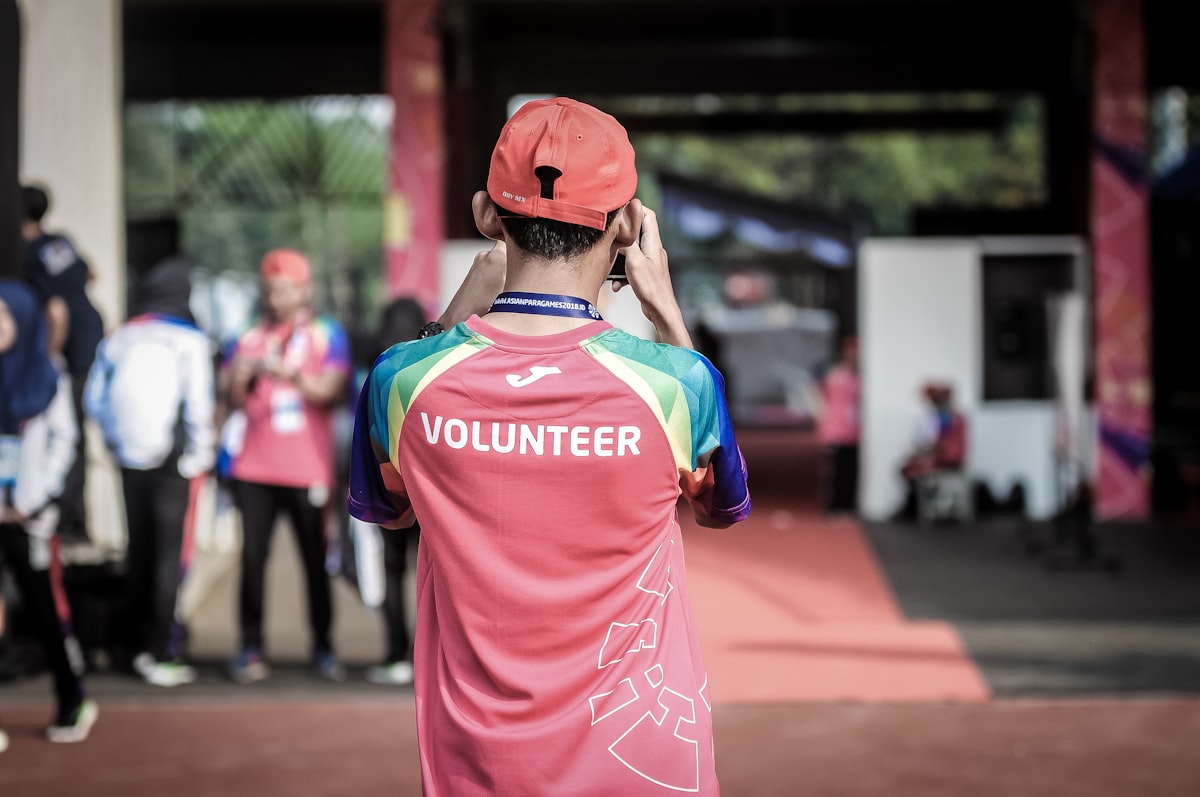
A beach cleanup is one of the simplest ways to show up for the coast you love. You don't need experience, special gear, or a big time commitment, just a couple of hours, the right shoes, and a willingness to follow the site leader. This guide covers where to find cleanups in Orange County, what to expect when you get there, and how to make your morning count.
Where to find a cleanup in Orange County
Start with an organizer's own website, not an old flyer or a reposted social media graphic. Dates, meeting points, and sign-up steps change from event to event.
- Orange County Coastkeeper — Cleanup OC. Coastkeeper hosts monthly beach cleanups, with regular events in places like San Clemente and Huntington Beach, and coordinates OC Coastal Cleanup Day each September. Volunteers register online for a specific date and location, and Coastkeeper recommends registering in advance because space is limited.
- Upper Newport Bay. The Newport Bay Conservancy organizes cleanups and habitat restoration around the bay, with cleanup events from September through February, outside bird nesting season. Its community volunteer opportunities need no orientation or training.
- City of Newport Beach — Make a Splash, Pick Up Trash. The city keeps a list of scheduled cleanups and lets residents register a cleanup of their own through an activity registration form.
- California Coastal Cleanup Day. Held on the third Saturday of September, it is one of the largest volunteer days of the year, with sites up and down the California coast. In 2026 it fell on September 19.
Register before you go
Some cleanups are drop-in, but many use a registration form, a waiver, or a cap on volunteers. Sign up ahead of time, save your confirmation, and keep the organizer's contact information on your phone. If your plans change, cancel through the organizer's process so site leaders can plan supplies and supervision accurately.
Bringing kids or a group? Ask the organizer about age and supervision rules and let them know your headcount. If someone in your group needs an accommodation, ask early. Beaches, trails, and bay-side sites differ a lot in surface, shade, restrooms, and parking.
What to wear and bring
Organizers' packing lists are the final word, but most ask for the same basics:
- Closed-toe shoes (the most important item)
- Weather-appropriate layers, and long sleeves and pants for brushy areas
- Sun protection: hat, sunscreen, sunglasses
- A reusable water bottle
- Your own bucket, reusable bag, and gloves, if you have them
Some organizers provide gloves and bags. Cleanup OC, for example, offers them for a suggested $1 donation. Skip single-use packaging so you aren't adding to the pile, and leave tools and chemicals at home unless the organizer asks for them.
What to expect when you arrive
Most cleanups start with a check-in and a short safety briefing. The site leader will explain where you can work, what equipment is available, how to sort what you collect, and which objects to leave alone. Listen even if you've done cleanups before, because every site has its own rules.
Then the work is simple: walk your assigned area and pick up human-made litter such as wrappers, bottle caps, cigarette butts, and plastic fragments. Some events ask volunteers to tally items on a data card or app so organizers can track trends over time. If yours does, record what the instructions ask for rather than estimating.
Stay safe and protect wildlife
A cleanup isn't permission to go anywhere on the beach. Stay out of dunes, nesting areas, cliffs, the water, and anywhere that's roped off or signed. Don't touch or chase wildlife, and leave shells, plants, and other living things in place.
Some finds are for the site leader, not you. Don't pick up needles, sharp metal, ammunition, chemical containers, unknown powders, or large tangles of fishing line. Mark the spot, keep people away, and tell the organizer. Wear gloves as directed, and wash your hands before you eat. Your organizer's safety briefing and local emergency instructions always come first.
Wrapping up
Ask where full bags and sorted materials go before you start, and don't leave bags next to a public trash can unless the site leader says that's the collection point. Return any borrowed equipment and turn in your data card if there is one.
If you take photos, ask before photographing other volunteers, and share the organizer's official link rather than your own event details. A full bag is a great feeling, but one morning's haul doesn't measure the health of a whole beach. The real value is the work done, the data collected, and the habit you carry home.
Quick checklist
- Find the event on the organizer's current website.
- Register and sign any waiver ahead of time.
- Wear closed-toe shoes and sun protection; bring water.
- Attend the safety briefing and stay in your assigned area.
- Leave wildlife, habitat, and hazardous objects alone.
- Sort and drop off what you collect where the organizer says.
Why this matters to us
The Larry Blue Foundation's Planet pillar is rooted in the Newport Beach Back Bay. Learn more about our ocean and Back Bay work, read our guide to volunteering at Upper Newport Bay, or support the mission so we can keep showing up. Every time.
Sources
- Orange County Coastkeeper: Cleanup OC — monthly cleanups, registration, and what to bring.
- Newport Bay Conservancy: Volunteer Opportunities — Upper Newport Bay cleanups, season, and requirements.
- City of Newport Beach: Make a Splash, Pick Up Trash — scheduled cleanups and registering your own.
- OC Parks: Coastal Cleanup Day at Upper Newport Bay — 2026 event details and partners.
Larry Blue Foundation
The Larry Blue Foundation is a 100% volunteer-based nonprofit. Right now it is raising funds to fly 300+ animals from kill shelters to no-kill rescues.